"the expense of others' freedom"
posted by k
I'm not sure how Chavez will turn out. At this distance, I can't work my way securely through the arguments about him. In John Pilger's film, The War on Democracy, Chavez comes across as a man of immense charm and feeling, but in Latin American politics, this isn't necessarily enough. Whatever his good intentions, the forces ranged against him are strong and it is painfully easy for good intentions to mutate into repression.
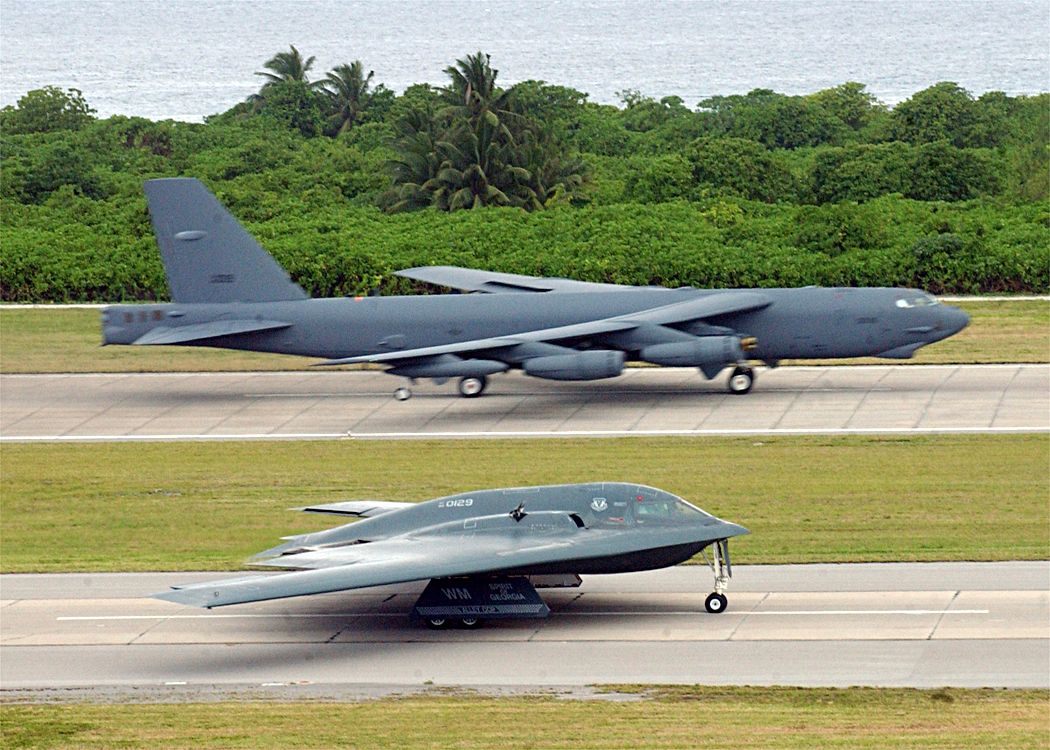
Pilger's awkward, angry film makes one case irrefutably: that the United States is an empire which endangers the rest of the world.
That's not a comfortable case to make. United States mythology combines the idea of itself as saviour and defender of the world with the curious sense of America as a victim. But it's not me who makes the case, nor even John Pilger. The case is made most powerfully in Pilger's film by a series of CIA officers, notably Duane Clarridge. Confronted with the argument that officers of the United States have overthrown governments, torturing and killing the defenders of democracy, Clarridge is vigorous in opposing Pilger's accusations. He insists that the numbers Pilger cites are too high - that there weren't thousands killed in Chile but merely hundreds. The documentation of higher numbers is, he insists, part of a vast conspiracy with Amnesty International at its centre. But if it comes down to it he will, he agrees, sanction any amount of killing, rape and torture where United States interests are threatened.
Against Clarridge and the defenders of United States interests are pitted the poor and the torture victims. Sister Dianna Ortiz, a nun who worked in Guatemala, stands for all that is good in America. She recalls the horrors that provoked her disillusion with her government; in 1989 she was abducted, tortured and gang raped by American-trained torturers, who eventually stopped raping her on the orders of their American boss. As a United States citizen her life was more precious that the lives of Latin American politicians or the poor. From her experience, Dianna Ortiz insists that there is nothing exceptional about Abu Ghraib; she recognized it, from her experience, as the American way of empire.
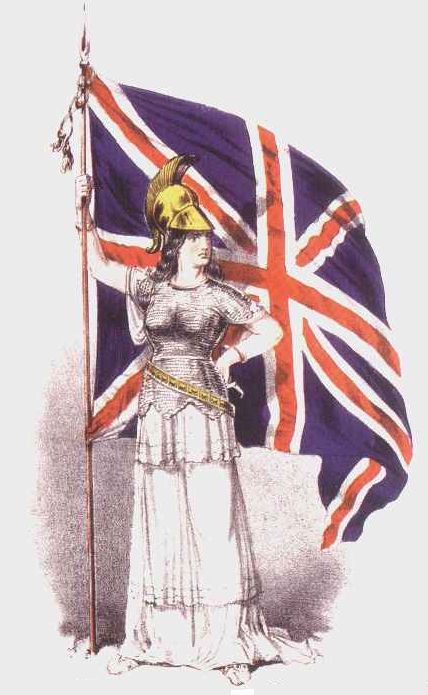
For the British, there is no comfortable way out. Britain's empire has its own horrors in recent times and events in the 1920s are precursors of My Lai and Falluja. We are assumed to be, as Clarridge says, the beneficiaries of torture. We are responsible.
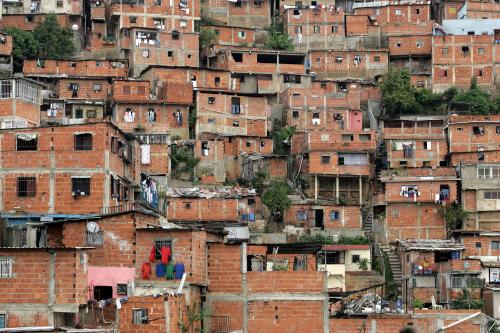
The film raises a further question. What is being defended is not just the interests of the United States but the interests of big companies and the rich. Early contrasts between luxurious mansions and the crumbling barrios set up an opposition between rich and poor which resonates through the film. An impicit question is asked: what happens when the natural resources and infrastructure of a nation are stolen from the nation as a whole and sold to rich people, many of whom live overseas. That is happening here too. Harold Macmillan, conservative peer and former Prime Minister was driven to accuse Margaret Thatcher of "selling off the family silver". That was in the early days of privatisation.
Here too the gap between rich and poor is widening, though it is nothing like as severe as in Latin America, with its dollar-billionaires and starving peasants. Most people will probably go on accepting the idea that things are as they must be, that power should lie with corporations rather than elected government, that democracy is somehow inextricable from the free market. But I don't accept it.
Suppose we protested against the sale of our resources and voted for a radical, nationalising government. Would we end up victims of U.S.-sponsored death squads? Would our singers suffer the fate of Chilean folk singer Victor Jara, whose hands were smashed to silence his guitar? He went on singing. U.S.-sponsored fascists beat him some more. Machine guns turned his flesh into corpse.
His songs and courage survive.
John Pilger's film The War on Democracy is on release in the United Kingdom - only in a few independent cinemas. The film will be distributed in New Zealand and Australia. So far as I can see, it is not being distributed in the United States.
Labels: Abu Ghraib, barrio, Britain, Chavez, Chile, CIA, Dianna Ortiz, Duane Clarridge, empire, Guatemala, John Pilger, Latin America, poverty, privatisation, United States, Victor Jara
posted by areopagitica at 6:35 pm
1 comments